
Electrolyte products are marketed to everyone nowadays : office workers, parents, gym-goers, hikers, and people recovering from a hangover. Walk through a supplement aisle and you’ll find powders, drink mixes, and hydration packets promising better energy, faster recovery, and superior hydration.
The marketing message often promotes more electrolytes = better hydration.
For many healthy adults, water and a balanced diet are enough to meet hydration and electrolyte needs. Electrolyte supplements may have a role, particularly for athletes and people experiencing significant fluid losses, but they are not necessary for every workout or every bottle of water.
Let’s unpack when electrolytes matter, when they don’t, and how to know whether you’re actually hydrated.

Sandra Frail, RD
- Sports Drink vs. Electrolyte Drink: What’s the Difference?
- How Your Body Manages Hydration
- How to Know if You’re Hydrated Enough?
- When are Electrolyte Supplements Useful?
- Does More Electrolytes Automatically Improve Hydration?
- What About Muscle Cramps?
- Practical Hydration Strategies From A Sports Dietitian
- Who Should Be Cautious With Electrolytes?
Sports Drink vs. Electrolyte Drink: What’s the Difference?
In Canada, sports electrolyte products – including ready-to-drink beverages, powders, and tablets marketed to help with hydration during sports and exercise will be regulated as foods, not as natural health products by December 31, 2027.
There is no specific amount of electrolytes and/or carbohydrates that a product must contain to be called a sports or electrolyte drink in Canada.
As a result, you’ll see a wide range of products marketed as electrolyte drinks, hydration mixes, sports hydration products, or sports drinks, even though their nutrition profiles can differ substantially. Many people use these terms interchangeably, but they serve different purposes. As a sports dietitian, I find it more useful to think about these products based on what they actually provide.
A simpler way to think about it:
- Sports drink = fuel + hydration
- Electrolyte drink = hydration support with little or no carbohydrates (sugars)
The best choice depends on the duration and intensity of exercise, your sweat losses, and whether you need carbohydrate as a fuel source.
Sport Drinks
Sports drinks products available in Canada typically provide:
- Fluid: serving size of 360-710mL
- Carbohydrate (Sugars): ranging from 40-50g per serving
- Sodium: 200-500mg per serving
- Potassium (often): 150-400mg per serving
Some examples include Gatorade, Powerade, and Maurten 160 Drink Mix.
The carbohydrate provides a source of fuel during prolonged exercise, while sodium helps replace sweat losses and encourages fluid retention.
Current Canadian sports nutrition guidelines recommend carbohydrate-containing beverages during prolonged endurance exercise to help support performance by to help support blood sugar levels and delay fatigue.
Some sports drinks contain substantial amounts of sugars for fueling, while others contain very little.
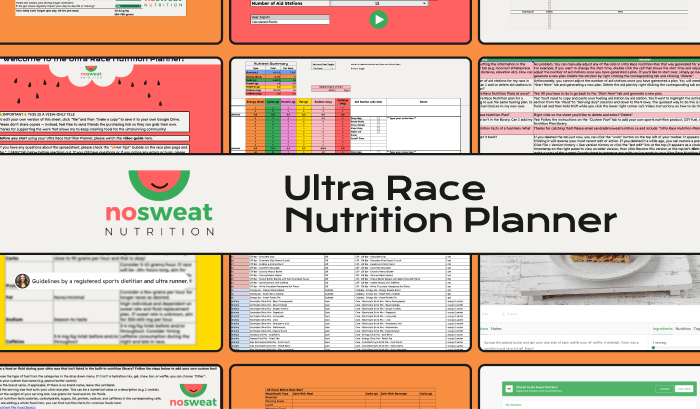
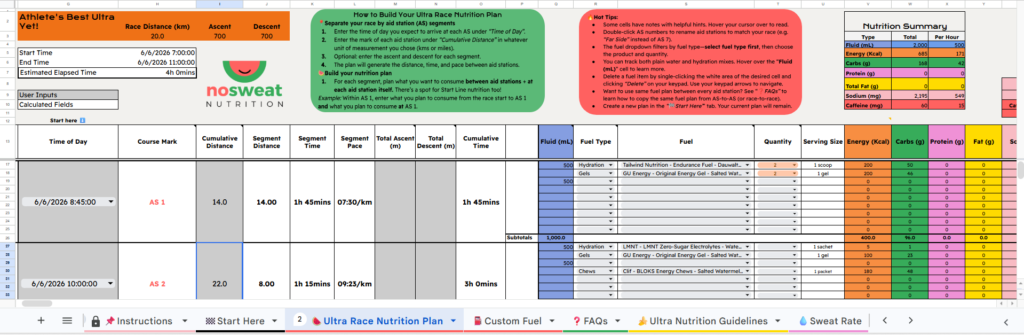
This is why reading the Nutrition Facts table is often more informative and one of the reasons I created the Ultra Race Nutrition Planner – to help athletes determine how much fluid, sodium, and carbohydrate they may need based on their individual training demands and race goals.
Electrolyte Products
Electrolyte products (typically mixed with 250-500mL of fluid) available in Canada typically provide:
- Sodium: 250-500mg per serving
- Potassium (often): 150-400mg per serving
- Other electrolytes – such as magnesium, calcium or chloride
- Little or no carbohydrate (sugar): 1-12g per serving
Some examples include Nuun, Hydralyte Sport, LMNT, and many hydration tablets or powders.
Electrolyte products include ready-to-drink beverages, powders, drink mixes and tablets that are added to water.
Electrolytes are minerals that help your body function properly. They help maintain the right balance of fluids in your body, allow your nerves to send signals, help your muscles contract and relax, and play a role in regulating blood pressure.
Sports electrolyte products are different from Oral Rehydration Solution (ORS) products, which are still classified as natural health products and are specifically designed for treating dehydration caused by diarrhea or vomiting.
How Your Body Manages Hydration
One of the biggest misconceptions in the sports nutrition space is that every workout needs electrolyte replacement. Your body is very good at managing its own fluid balance. Your kidneys, hormones and thirst all work together throughout the day to regulate your water and electrolytes levels.
Most people can get the electrolytes they need from their regular food and drinks.
- Sodium and chloride are found in table salt and many everyday foods.
- Potassium is found in fruits, vegetables, legumes, and dairy products.
- Magnesium is found in nuts, seeds, legumes, and whole grains.
- Calcium is found in dairy products, fortified plant-based beverages, tofu and some leafy green vegetables.
During exercise, sodium is the primary electrolyte lost in sweat and the one most likely to require replacement. Potassium, magnesium, calcium, and other additions are almost entirely for marketing purposes. However, losing more sodium through sweat doesn’t automatically mean an athlete needs to increase their sodium intake.
In fact, 3 out of 5 Canadians eat too much sodium – too much sodium can cause high blood pressure and lead to heart disease and stroke. Endurance athletes also tend to eat more food than the average Canadian, so they often meet their higher sodium needs without trying.
Your individual needs depend on factors such as your fluid balance, how much you sweat, how salty your sweat is, your usual diet, tolerance, the environment, and the duration of training / exercise. My Ultra Race Nutrition Planner can help you develop a hydration and fueling strategy tailored to your needs.
How to Know if You're Hydrated Enough?
Rather than just focusing on electrolyte products, it can be more useful to assess your hydration status.
Urine colour
Urine colour is a practical tool and one of the simplest tools available to you.
Generally:
- Pale yellow = likely well hydrated
- Dark yellow or apple juice colour = likely underhydrated
Keep in mind that urine colour isn’t a perfect measure of hydration. Supplements, particularly B vitamins and multivitamins, as well as some foods and medications, can change the colour of your urine.
Thirst
Feeling thirsty is a useful signal that helps your body regulate fluid intake throughout the day.
A quick hydration check:
- Your urine is usually pale yellow
- You’re not frequently or excessively thirsty
- You’re drinking regularly throughout the day
Body weight changes
Athletes and highly active people can monitor hydration more precisely by comparing body weight before and after exercise.
Losing more than ~2% of body weight during exercise may indicate meaningful dehydration that may affect performance. This can also be used to estimate sweat rate and help guide individualized hydration plans.
When are Electrolyte Supplements Useful?
Electrolyte supplements become increasingly important when sweat losses become substantial. Examples include: endurance events, prolonged exercise in hot weather, multiple training sessions in a day, physically demanding jobs in the heat, people with high sweat rates.
During Exercise or Physically Demanding Work
Electrolytes may be beneficial when:
- Exercise lastslonger than a few hours (For shorter sessions, water is often sufficient)
- Exercising in hot or humid conditions
- Sweat losses are high
- Physically demanding work outdoors for long periods in hot conditions
Are You a “Salty Sweater”?
Some people lose considerably more sodium than others through sweat.
Signs may include:
- Visible salt stains on clothing
- Crystallized salt on skin, or white residue on skin after exercise
- Stinging sweat in the eyes
People who sweat heavily may also lose a large amount of sodium overall, even if their sweat isn’t particularly salty. The amount of sodium people lose through sweat can vary a lot, two athletes completing the same workout may have very different sodium replacement needs.
All athletes can benefit from a more individualized hydration strategy.
When You’re Sick
Electrolytes may be beneficial when you are sick and experiencing significant fluid losses such as vomiting and/or diarrhea.
Oral rehydration solution (ORS) is considered one of the most effective treatments for dehydration related to gastrointestinal illness by the World Health Organization. ORS products are also regulated by Health Canada where they contain specified ingredients and amounts, including glucose, sodium, potassium and other electrolytes to support safe and effective rehydration.
It’s important to note that while sports drinks and electrolyte supplements can help with hydration, they are not specifically formulated to treat dehydration caused by diarrhea or vomiting.
Do More Electrolytes Automatically Improve Hydration?
Not really. Fluid is what hydrates you, and sodium plays a supporting role.
You may have heard that plain water “passes straight through you” and that you need electrolytes to actually hydrate. This idea comes largely from studies where people drank a large volume of water (often 1 L or more) on its own, in a short time, while they were already well hydrated. Their bodies didn’t need the extra fluid, so they peed most of it out. A high-sodium drink was retained better in that setting, but that’s not how most of us drink day to day.
When you sip water regularly and drink with meals and snacks, plain water hydrates you just fine.
Sodium also doesn’t make your body absorb fluid any faster during exercise, and it can’t make your body hold onto water it doesn’t need. Any extra is simply excreted (more on that below).
Where sodium really matters is during long exercise, generally over about 4 hours. Even then, how much you need depends less on how much sodium you lose in sweat and more on how much fluid you plan to drink. The more of your sweat losses you replace with fluid, the more sodium that fluid needs to keep your blood sodium in a healthy range. That’s why your fluid plan comes first, and your sodium plan follows from it.
Electrolytes don’t prevent dehydration if you’re not drinking enough fluid.
As a sports dietitian, I’d much rather see someone focus on consistent fluid intake, eating enough throughout the day to fuel your activities, and developing a hydration strategy that matches their actual needs rather than automatically adding electrolytes to every water bottle.
What About Muscle Cramps?
Muscle cramps are often blamed on electrolyte deficiencies.
Have you ever been told to just have electrolytes immediately when you feel a muscle cramp coming on? It sounds straightforward and can feel like an easy solution when you’re trying to push through a race.
However, exercise-associated muscle cramps are likely influenced by multiple factors rather than simply low electrolyte levels, including :
- Inadequate carbohydrate intake
- Neuromuscular fatigue
- High exercise intensity
- Inadequate conditioning
- Previous history of cramping
- Environmental conditions
- Medications
- Lack of sleep
- Age
Electrolytes may play a role in some situations, but they are unlikely to be the only cause. For acute exercise-induced cramping, stretching is one of the most effective immediate treatments.
Practical Hydration Strategies From A Sports Dietitian
For most healthy adults, the goal is to consistently replace the water you lose throughout the day, rather than trying to catch up when you are already dehydrated.
Dietitians of Canada recommend adults aim for approximately 9 to 12 cups (2.2 to 3 Litres) of fluids per day, although needs vary based on body size, activity level, climate, health status, and if you are pregnant or breastfeeding.
20-30% of your daily fluid intake comes from food and drinks in your diet. Many of these foods also naturally provide electrolytes such as potassium, calcium, and sodium.
Foods and drinks with a high water content include:
- Fruits (watermelon, berries, oranges)
- Vegetables (cucumber, lettuce, tomatoes)
- Soup and broth-based meals
- Yogurt
- Milk
Try including at least one high-fluid food at each meal or snack. For example, pair yogurt with fruit at breakfast, add vegetables to lunch, and include soup or a salad with dinner.
1. Carry a water bottle / make fluids easy to access
One of the simplest ways to improve hydration is to make drinking water more convenient and accessible.
Having water readily available increases the likelihood that you’ll drink throughout the day. For example, you could:
- Keep a water bottle at your desk, in your car, or in your gym bag
- Fill your bottle before leaving the house
- Use a larger bottle if you find yourself constantly forgetting to refill it
If you dislike plain water, try adding lemon, berries, cucumber, or sparkling water.
2. Hydrate consistently throughout the day and on rest days
Some people find themselves drinking very little throughout the day and then trying to make up for it in the evening,
A better strategy is to spread fluid intake across the day. Try anchoring hydration to habits you already have:
- A glass of water when you wake up
- A glass of water before every meal
- A glass of water before or with your snack
- Water during meetings, commutes, or work breaks
While thirst is a useful signal for most healthy adults, it’s not always perfect and water intake is affected by many factors throughout the day. Busy workdays, training schedules, travel, heat exposure, and intense exercise can make it easy to ignore thirst.
3. Match your hydration strategy to your exercise
Hydration needs increase as exercise duration, intensity, and sweat losses increase.
As a general guideline:
- <60 min: water as desired; Drink according to thirst and focus on staying hydrated throughout the day.
- 60-90 min: water may still be sufficient, depending on intensity, weather, and sweat losses; If you’re exercising in the heat or sweating heavily, consider bringing fluids. Carbs are also needed for exercise longer than 60-75 min.
- >90 min: fluids, sodium, and carbohydrate often become increasingly important to support both hydration and performance. Don’t wait until you’re dehydrated. Practice your hydration strategy during training rather than experimenting on race day.
Athletes with high sweat rates, high sodium losses, or specific race goals may require more individualized recommendations.
Who Should Be Cautious With Electrolytes?
Electrolyte supplements are not without risks simply because they’re sold as food products and available over the counter. For most healthy people, occasional use is unlikely to be harmful. However, some people should speak with their healthcare team before regularly using sports drinks and/or electrolyte products.
People with Kidney Disease
The kidneys play a major role in regulating sodium and potassium balance.
People with decreased kidney functions may have trouble managing excess potassium or sodium intake, which are commonly in electrolyte products.
People with High Blood Pressure
Taking excess sodium more than what your body needs may contribute to high blood pressure, particularly in people who are salt-sensitive and/or have high blood pressure.
People Taking Certain Medications
Some medications can affect fluid and electrolyte balance, including:
- Diuretics (“water pills”)
- Certain blood pressure medications
- Some medications used for heart or kidney conditions
People Following Fluid Restrictions
People with certain heart, kidney, or liver conditions may be advised to limit fluid intake given regular hydration recommendations may not be appropriate in these situations.
Summary
Most healthy adults can meet their electrolyte needs through their regular diet and do not need electrolyte products and/or sports drinks.
Electrolyte supplements may become more important only when fluid and sweat losses are substantial, such as during endurance events, prolonged exercise in hot conditions, or illness involving significant fluid losses.
Good hydration is about balancing fluids and electrolytes with your body’s needs – an individualized hydration plan is often more effective than relying on generic instructions from the back of a packet.






Add a comment