
If you have irritable bowel syndrome, you have probably spent a significant amount of time trying to figure out why certain meals leave you doubled over in pain while others seem completely fine. You might have cut out gluten, given up dairy, or resigned yourself to living around your symptoms.
The low FODMAP diet is one of the most evidence-backed tools available for getting real answers, and understanding how it works can be the difference between managing IBS and actually living without it.
Written by: Sam Thompson, Registered Dietitian and Integrative and Functional Nutrition Practitioner

Samantha Thompson, Registered Dietitian and Integrative & Functional Nutrition Certified Practitioner
What is IBS?
IBS is the most commonly diagnosed gastrointestinal disorder, affecting somewhere between 10 and 20% of the population, with women diagnosed at nearly twice the rate of men.
Despite how common it is, the average person waits nearly seven years before receiving a formal diagnosis, often cycling through multiple doctors and dead-end explanations before someone puts a name to what they are experiencing.
The symptoms are broad and vary person to person: abdominal pain and cramping, bloating, constipation, diarrhea, urgency, incomplete evacuation, and excessive gas.
Some people deal with one end of the spectrum, others swing between both. IBS is categorized into three subtypes, IBS with diarrhea (IBS-D), IBS with constipation (IBS-C), and mixed IBS (IBS-M), and the right approach depends largely on which pattern dominates.
What makes IBS particularly frustrating is that it does not have a single, clean cause.
Research points to a combination of factors: altered gut motility, visceral hypersensitivity (meaning the gut registers pain signals more intensely than it should), disruptions to the gut-brain axis, gut dysbiosis, low-grade inflammation, and in some cases, a history of gut infection that set things off.
Because so many systems are involved, there is rarely one switch to flip.
Diet, however, is one of the most powerful levers available.
What is a low FODMAP diet?
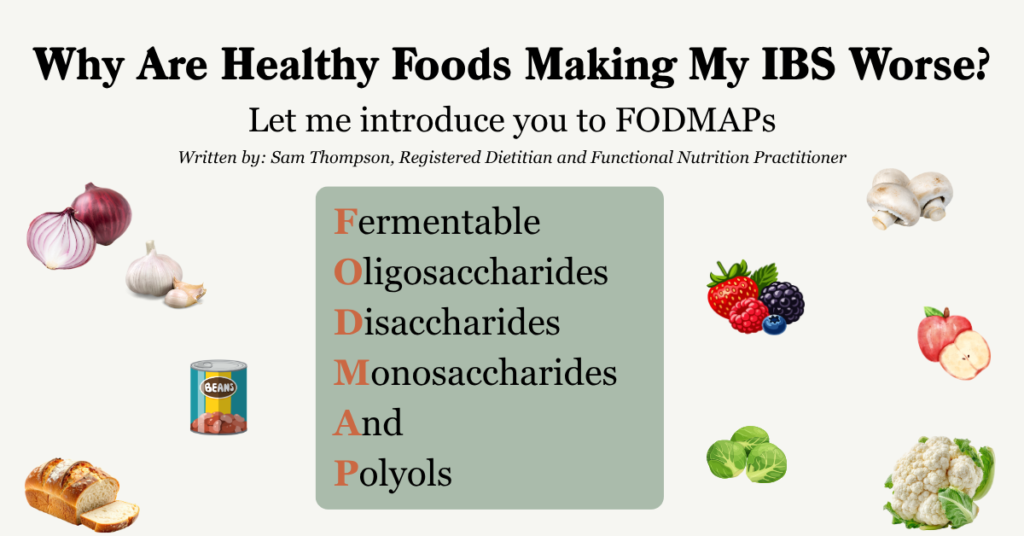
FODMAP stands for Fermentable Oligosaccharides, Disaccharides, Monosaccharides, and Polyols.
The name is a mouthful, but the concept is straightforward: these are short-chain carbohydrates and sugar alcohols found in everyday foods that are poorly absorbed in the small intestine.
When they reach the large intestine, gut bacteria ferment them rapidly, producing gas. They also draw water into the bowel through osmosis. For someone with a sensitive gut, that combination is a recipe for bloating, cramping, pain, and unpredictable bowel habits.
Common high-FODMAP foods include garlic, onion, wheat, milk, apples, pears, honey, lentils, chickpeas, and certain stone fruits. This is part of why IBS can feel so confusing. Many of these are foods we think of as healthy, and the symptoms they trigger can feel random until you understand the mechanism behind them.
It is worth noting that FODMAPs are not inherently bad. Most people digest them without any issue. But in someone with IBS, the gut’s heightened sensitivity means that the normal process of fermentation becomes a trigger for significant symptoms.
The low FODMAP diet works by systematically identifying exactly which of these carbohydrates is causing the problem for that particular person.

How to follow a low FODMAP diet?
The low FODMAP diet is not a lifestyle diet in the way that, say, Mediterranean eating is. It is a structured, time-limited diagnostic and therapeutic protocol with three distinct phases, and it takes roughly 8 to 16 weeks to complete.
Phase 1: Elimination (2 to 6 weeks)
All high-FODMAP foods are removed from the diet. The goal in this phase is symptom relief, essentially quieting the gut down so you have a clean baseline to work from. This phase requires a reasonable degree of strictness to be useful. You need to give the gut enough of a break that you can clearly see what life looks and feels like without the FODMAP load.
Phase 2: Reintroduction (6 to 10 weeks)
This is the phase that most online guides gloss over, and that’s likely because it really requires working with a knowledgeable practitioner to succeed. This is without a doubt the most important step.
High-FODMAP foods are reintroduced one subgroup at a time, in controlled amounts, over several weeks.
Each FODMAP type is tested independently, with washout periods in between, so that you can isolate exactly which ones trigger symptoms and which ones you actually tolerate fine.
Fructose is tested one week, lactose the next, then sorbitol, mannitol, fructans, and GOS (galacto-oligosaccharides). The process is methodical by design.
This phase answers the question that matters: it is not “are you sensitive to FODMAPs?” but rather “which FODMAPs affect you, and at what portion size?”
Many people discover they tolerate some subgroups completely, react strongly to others, and can handle small amounts of others without symptoms.
Phase 3: Personalization
Using what was learned in the reintroduction phase, a personalized long-term diet is built around your specific sensitivities. The goal is not indefinite restriction. It is the broadest, most varied diet possible that keeps symptoms under control. Most people end up eating far more foods than they expected.
What Does the Evidence Say?
Between 50 and 80% of IBS patients report significantly improved symptoms on the low FODMAP diet, including reductions in abdominal pain, bloating, and altered bowel habits.
One long-term study found that 80% of patients who went through the protocol were still following a personalized version nearly two years later, with meaningfully less pain than those who stopped, and 89% reported satisfaction with the outcome.
For a dietary intervention, that is a remarkably high adherence rate.
That said, the diet is not without limitations. Some systematic reviews have flagged the overall quality of the evidence as low due to study design issues and a lack of long-term controlled data.
It is also worth knowing that several weeks on a strict low-FODMAP elimination phase can reduce beneficial gut bacteria, which is one reason working with a knowledgeable practitioner matters. Strategies like continuing a probiotic through the process can help offset this.
The low FODMAP diet is also frequently described as a “band-aid” by some practitioners, not because it is ineffective, but because it manages symptoms without always addressing what is driving the underlying sensitivity in the first place.
In my practice, Sam Thompson Nutrition, this is where the real work begins. Once symptoms are under control, I use the low FODMAP protocol as a jumping-off point to investigate root causes like small intestinal bacterial overgrowth (SIBO), which is one of the most commonly overlooked drivers of IBS-like symptoms.
Identifying and treating SIBO, alongside targeted gut healing work, is often what allows people to eventually tolerate a much wider range of foods.
What the Diet Cannot Tell You On Its Own
Here is something important that often gets left out of the conversation: the low FODMAP diet is a powerful tool for identifying food triggers, but IBS is rarely just about food.
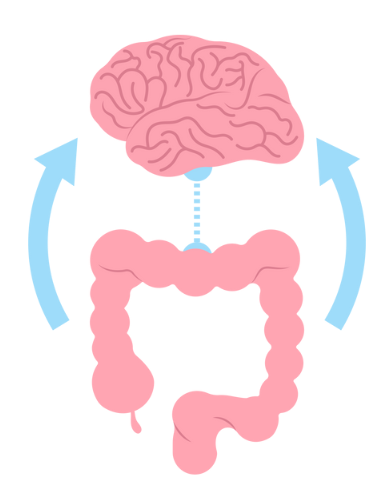
The gut-brain axis plays a significant role, and stress, anxiety, and sleep quality can amplify gut symptoms independently of what you eat.
Dysbiosis, intestinal permeability, post-infectious changes, and hormonal factors can all be operating in the background. A food-first approach will get you a long way, but a thorough picture of what is actually happening in your gut often requires looking further.
It is also worth understanding that IBS overlaps with a number of other conditions including small intestinal bacterial overgrowth (SIBO), histamine intolerance, non-celiac gluten sensitivity, bile acid diarrhea, and pelvic floor dysfunction, some of which respond to different interventions entirely.
Assuming IBS is the whole story without ruling these out can mean spending months on the wrong protocol.
Why Guidance Matters More Than You Might Think
As previously mentioned, the reintroduction phase of the low FODMAP diet is difficult to navigate without support.
The testing schedule, portion sizes, washout periods, and symptom tracking all require a structured approach if the data you collect is going to be useful. People who attempt it without guidance tend to either abandon it before completion or misinterpret their results, which means they end up with a more restricted diet than necessary and no clearer answers than when they started.
A trained practitioner can also assess whether the low FODMAP diet is the right first step for you, or whether something else needs to be addressed before or alongside it.
As a Monash FODMAP trained dietitian, I ensure nutritional adequacy through the elimination phase, watch for signs of disordered eating patterns that can sometimes emerge with highly restrictive protocols, and help you build a personalized long-term plan that actually expands your diet rather than permanently shrinking it.
The Bottom Line
The low FODMAP diet is one of the most effective dietary tools we have for managing IBS, with strong clinical backing and high patient satisfaction when done correctly.
It will not solve every piece of the puzzle, but it can bring significant relief and, crucially, give you real information about how your gut responds to food.
If you have been living with IBS symptoms and wondering whether this diet might be right for you, the best next step is a proper assessment, not a Google-guided elimination phase. Understanding what is actually driving your symptoms, and what your body specifically responds to, is what turns short-term relief into long-term change.
If you are ready to get to the bottom of your gut symptoms with a structured, personalized approach, I would love to help. Book a consultation and we will figure out exactly where to start.






Add a comment