As we move into 2026, the world of food and nutrition continues to evolve, influenced by years of research, changing lifestyles, and a better understanding of how what we eat affects both our health and the planet.
Together, let’s uncover the predictions of 2026’s next food trends and some of the most influential nutrition movements this year, guided by expert insights and a quest for a healthier, more sustainable future.
- Women’s Health & Menopause Nutrition Strategies
- Supporting Mental Health through Nutrition
- Demand for High Protein Continues to Rise
- Intermittent Fasting or Time-Restricted Feeding
- Ozempic for Weight Loss Goals
- Plant Based Diets for Personal and Planetary Health
- Online Grocery Shopping, AI Technology and Convenience
- Health & Wellness Supplements
- Financial and Budget Eating
- Gut Health and Anti-Inflammatory Foods
1. Eating for Women’s Health
Women’s health has been gaining more attention on social media lately, particularly on menopause symptom management.
Perimenopause and menopause bring many changes beyond the cessation of menstruation, such as mood changes, hot flashes, joint pain, and sleep disruptions.
Weight gain during menopause can be a common struggle, making nutrition a frequently discussed topic.
While menopause is complex and every person’s experience will be different, there are nutrition strategies that are important for everyone to consider during this life stage, such as:
- Prioritizing bone health by incorporating adequate calcium and vitamin D into your diet is an important habit to start early as menopause increases the risk of osteoporosis.
- Staying active and eating an adequate amount of protein to both support bone health and benefit body composition (building and/or maintaining muscle mass).
- Increasing proten and fibre in your diet to help manage appetite, blood sugars, and gut health.
If you are seeking nutrition support for women’s health concerns, such as menopause, fertility, or conditions such as PCOS or endometriosis, we have women’s health dietitians that are here to support your journey.
2. Supporting Mental Health through Nutrition
As consumers become more attuned to the mind-body connection, mental health is increasingly seen as closely tied to our diets.
A balanced diet can help reduce the risk of nutrient deficiencies and mood disorders such as anxiety and depression. This growing understanding is driving a shift toward a more holistic approach to wellness, recognizing that there’s no health without mental health.
Luckily, we are seeing an increased support through the corporate world committing to support their employee’s mental health.
Our most popular presentation “Supporting Mental Health through Nutrition” remains the most requested topic from our corporate clients.
One of the essential nutrients gaining attention is omega-3 fatty acids. Known for their support of both brain and heart health, adequate consumption of omega-3s are linked to reduced risk of depression and anxiety.
These fats, found in foods like fish, seafood, flaxseeds, nuts and seeds are becoming key components of well balanced diets aimed at supporting mental health.
Alongside the growing focus on nutrient-dense foods, it is equally important to develop a healthy relationship with food.
A balanced, sustainable approach to eating that fits within your lifestyle – free from guilt or restriction – can contribute significantly to emotional well-being.
Ultimately, mental health is complex. Having a supportive healthcare team will be key in creating an individualized care plan.
By combining nutrient-dense foods with mindful eating habits, we can better support mental health and overall well-being, contributing to a healthier, more balanced life.
3. Protein and Fibre Maxxing
The demand for high-protein diets continues to surge in 2026 along with high-fibre diets, as awareness grows around the importance these 2 nutrients for gut health, muscles, physical performance, and long term wellbeing.
In fact, 70% of consumers are actively seeking to increase their protein intake. More people are also leaning into “fibre-maxxing” : a trend focused on boosting daily fibre for better gut health, blood sugar control, and weight management.
Muscle is widely recognized as a key element of longevity, while fibre is seen as essential for a thriving gut health.
With the recent concerns around heavy metals in protein powders, more consumers are focusing on getting their protein sources from whole foods.
Plant-based proteins are playing an increasingly vital role in both protein-maxxing and fibre-maxxing trends, offering nutrient-dense options that support health in multiple ways.
In the past couple years, we saw a surge in recipes that incorporate both gut-friendly fibre and plant-based protein, such as cottage cheese pasta sauce, tofu pasta, greek yogurt-based bagels, psyllium-husk fortified baking, edamame bowls, and high-fibre bean/lentil pastas..
You might have also noticed a rise in protein-enhanced foods available on store shelves, and this trend shows no sign of slowing down, from ultra-filtered milk and pro-coffee, protein packed chips and waffles, to protein sodas and ice creams.
While these products boast a high protein content per serving, they may also be ultra-processed and likely lack the nutrition benefits found in whole food protein options.
Protein is an essential macronutrients for health, but, like all nutrients, moderation is important. Consuming it in excess can strain the body and lead to potential issues, such as an imbalance of other nutrients, kidney stress.
BC dietitians can play a key role in determining your specific protein needs, taking into account factors such as your activity level and weight management goals.

4. Intermittent Fasting or Time-Restricted Feeding
Intermittent fasting (IF) continues to be a popular diet trend in 2026.
It is an eating pattern that involves cycling between periods of eating and fasting. A common method is the 16:8 approach, where individuals fast for 16 hours – typically overnight – and eat during an 8-hour window.
In addition to weight loss, research suggests IF may improve heart health and boost insulin sensitivity. Fasting may support a healthier gut microbiome, which is linked to better digestion and mental health.
What makes IF even more appealing in 2026 is the ease of tracking and support through apps like MyFitnessPal or Zero, which help individuals stay on track by setting fasting windows and tracking progress.
People are also adapting and syncing technologies such as continuous glucose monitoring (CGMs), wearable fitness watches and accessories, body composition scale and AI tools to provide a holistic picture of their overall health and fitness goals.
As more people embrace IF for its health benefits beyond weight management, the trend will continue to thrive.
It’s important to consult an experienced dietitian before starting any fasting regimen, particularly for those with health conditions or a history of disordered eating and eating disorders.
Registered dietitians are trained to provide a personalized eating plan and supplement recommendations that are specific to you.

5. Ozempic for Weight Loss Goals
More people than ever are using Ozempic and Mounjaro (GLP-1 medications) for weight loss. The Agri-Food Analytics Lab at Dalhousie University survey revealed approximately 27% Canadians who on GLP-1 drugs are using them for weight loss purposes, and this number will continue to rise in 2026.
Many clients are more aware of managing side effects and seeking to work with dietitians on behavioral changes to be able to maintain sustainable results.
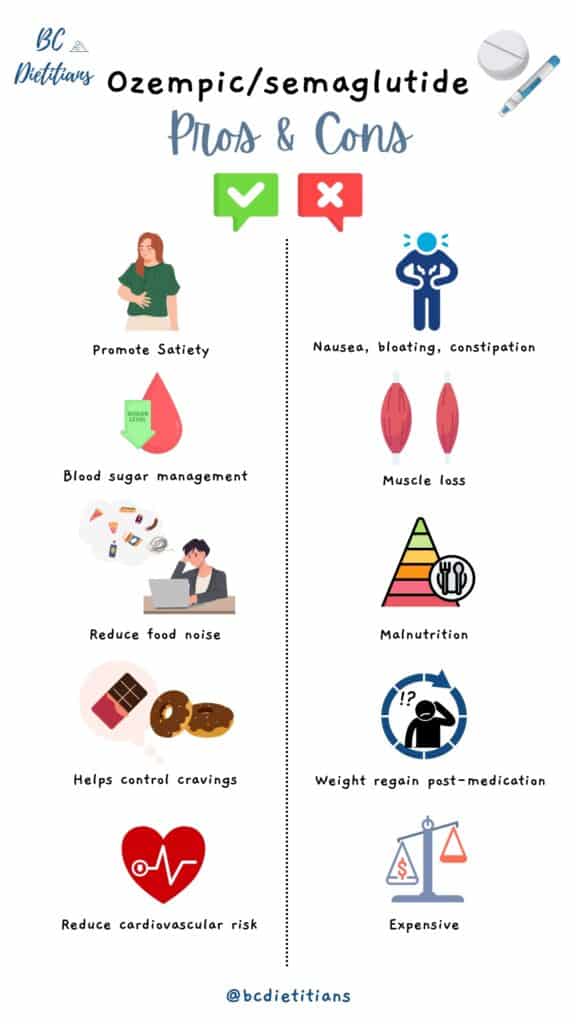
These GLP1 drugs have gained popularity for weight loss purposes due to its ability to suppress appetite and promote satiety. Unfortunately, many people were started on these medications without proper support and are realizing they do not or cannot afford to be on these medications for life.
People are looking to dietitians for guidance before starting Ozempic, seeking advice on how to prepare their body nutritionally to maximize the effectiveness of the medication.
This includes preparing meals that are balanced, nutrient-dense, and satisfying to prevent nutrient deficiencies and manage side effects like nausea, fatigue, and digestive discomfort. In addition, food companies such as Danone are taking advantage of this trend to target food products specifically for people who are taking GLP-1 drugs.
A significant concern for those using Ozempic is the post-phase weight re-gain.
After discontinuing the medication or completing a weight-loss phase, many people worry about regaining the weight they’ve lost and research has also supported that most people will regain their weight when they come off the medication.
This has created a demand for personalized, long-term strategies that focus on behavioral changes and mindset shifts before and after starting GLP-1 medications such as Ozempic to minimize weight-regain.
Dietitians are essential in helping clients maintain a healthy, balanced approach to weight management that doesn’t rely on quick fixes like medications alone.
We highly recommend consulting with a BC dietitian before starting Ozempic so that we can provide you with personalized advice that aligns with your weight loss goals and treatment plan.
Those who are already on GLP-1 drugs for weight loss can also benefit from consulting with a dietitian to optimize their nutrition and minimize side effects while taking these medications.
6. Plant-Based Diets for Personal and Planetary Health
In 2026, the trend towards plant-based diets continues to grow, not just for personal health benefits but also for environmental sustainability.
As people become more aware of the impact of their food choices on the planet, they are increasingly adopting diets rich in plant-based proteins. This shift is driven by a recognition that plant-based diets can significantly reduce carbon footprints and promote biodiversity, helping to address climate change and environmental degradation.
According to the National Research Council Canada, 40 percent of Canadians are actively including more plant-based foods into their diet. Interested to learn more about how your diet affects the planet? Check out this Planet-Based Diets Impact Calculator.
Canada’s role as a leading producer of these crops further fuels this trend locally – Did you know that Canada is the largest producer of dry peas and lentils in the world?
The plant forward movement is more popularity, offering a balanced approach to incorporating plant-based foods while enjoying meat and dairy in moderation. One way to get started with a vegetarian diet is adopt a flexitarian diet, also known as semi-vegetarian, where one consumes primarily plant-based foods and enjoys meat and dairy products in moderation.
While faux and meatless meats made from soy-based ingredients have been around for decades, we are seeing more plant-based protein options : some innovative products we have tasted at the food forward summit include plant-based fish, frozen meals, vegan cheese options, vegan desserts & baked goods, plant-based cultural foods, soy-free products and vegan honey. ‘Blended’ or ‘lessitarian’ products are also emerging with a blend of both meat and plant-based foods.
One way to explore and get started with a vegetarian diet is to adopt a flexitarian diet, also known as semi-vegetarian, where one consumes primarily plant-based foods and enjoys meat and dairy products in moderation.
If you’re exploring the flexitarian lifestyle, be sure to check out our updated blog on “6 Easy Vegetarian Recipes for Busy People” for a curated list of simple vegetarian meals to get started!
Needing professional guidance on switching to a plant-based diet? Our Vegetarian dietitians are experienced with different types of vegetarian diets including: Vegan, Pescatarian, Lacto-ovo Vegetarian, Lacto Vegetarian, Raw Vegan, and Flexitarian diets.
7. Online Grocery Shopping, AI Technology and Convenience
We are more reliant on technology for meal planning, grocery shopping and meal prep more than ever.
These tools and options are reshaping how Canadians interact with their food choices, enhancing user experiences through personalized recommendations, meal plans, shopping lists, and streamlined delivery processes.
Statistics Canada reported a 74% increase in online grocery shopping in 2020, a trend that has maintained momentum. AI-driven platforms have made this possible by simplifying the shopping process, offering tailored suggestions based on past purchases, dietary preferences, and even current pantry inventories.
AI technology, including tools like ChatGPT, offers a wealth of information and can be a helpful resource for general questions around nutrition and health. However, it’s crucial to use AI with caution, especially when it comes to personalized health and nutrition advice.
AI largely depend on existing online information to generate responses and suggestions. This poses a significant challenge in the context of nutrition and health advice, as the internet is a sea of misinformation and unverified claims.
As it can be challenging for AI to discern credible sources from inaccurate or misleading ones – the advice provided by AI may not always be accurate or in line with evidence-based practices. More important, the advice may not be suitable for you specifically.
Additionally, personalized nutrition counseling from dietitians has been linked with better dietary adherence and accountability, resulting in more significant improvements in health markers in chronic diseases like diabetes.
Connect with a BC dietitian nutritionist for your personalized nutrition plan today!

8. Health & Wellness Supplements
Dietary supplements can come in many forms, such as capsules, powders, and liquids, and can contain anything from vitamins and minerals, to botanicals, herbal extracts, and electrolytes.
The annual “What’s Trending in Nutrition” survey by Pollock Communications reports that the most commonly recommended supplements by dietitians include multivitamins, vitamin D, probiotics, protein powders, calcium, fibre, magnesium, and electrolytes.
These supplements are well studied and recommended as a part of evidence-informed practice for clients who may benefit from specific supplementation.
However, the demand appears to be increasing even more rapidly for specialized supplements offering enhanced or targeted benefits.
This year, Vitaquest investigated emerging supplement trends and many newer categories are gaining attention, such as nootropics, which are promoted for cognitive support, and postbiotics, which are proposed to have greater stability compared to traditional probiotics. Others include supplements for longevity, women’s health, sleep, and gut health.
While many specialized supplements make big claims that sound promising on the surface, the sheer number of products on the market these days can make it difficult to determine which are backed by evidence and and/or have gone through rigorous testing before hitting the shelves.
Electrolytes supplements are amongst some of the most popular products hitting the shelves, they contain minerals, such as sodium, potassium, phosphorus, magnesium, calcium, and chloride. These minerals are essential for their roles in muscle contraction, heart function, and maintaining fluid balance in our bodies.
While electrolytes can be found sufficiently in a balanced diet composed of whole foods, electrolyte products, such as electrolyte powders, tablets, and electrolyte beverages, offering convenient, concentrated doses.
Electrolyte replacement products can be beneficial (or essential) for those who:
- Engage in intense exercise
- Are outside in extreme heat
- Have persistent vomiting or diarrhea due to illness or gastrointestinal disorders
However, it‘s also important to note that there are also individuals who should limit or avoid high concentrations of electrolytes, such as those who need to limit sodium (e.g., those with heart failure), restrict potassium and/or phosphorus (e.g., those with kidney disease), as well as children/adolescents.
If you have more questions about electrolytes or sports nutrition in general, check out the blog below where one of our Sports Nutrition Dietitian’s answers frequently asked questions: Answering the Most Popular Questions from an Expert Sports Dietitian
In Canada, you can verify supplements by checking their NHP number, which is given to products that have been certified in Canada as being safe, effective, and high quality. Outside of Canada, we recommend looking for third party testing and certifications.
There are hundreds of emerging supplements that we can’t address just in this blog, so if you’re curious about specific products or considering adding supplements to your routine, we suggest consulting with a BC Dietitian for guidance!
9. Financial and Budget Eating Considerations
Another survey by Agri-Food Analytics Lab at Dalhousie University found that food affordability continues to be a main household financial concern for most Canadians, with 80% of respondents reporting a significant increase in food expenses over any other categories.
Some ways Canadians have been seeking value for money in their food choices include seeking out more sales, using coupons, choosing generic brands, shopping at cheaper stores, and buying less non-essentials.
More Canadians are also choosing to support the local economy by choosing Canadian food options and shopping at local farms.
BC dietitians can help clients create personalized nutrition plans that consider both your health needs and budget constraints.
This includes strategies on cost-effective food choices, reducing food waste, meal planning, and smart grocery shopping.
Many extended health benefits also cover the cost of dietitian services, be sure to check and make the most out of your benefits!
10. Let’s not forget about the gut health and anti-inflammatory foods
Maintaining a healthy gut microbiome is undoubtedly a priority for many.
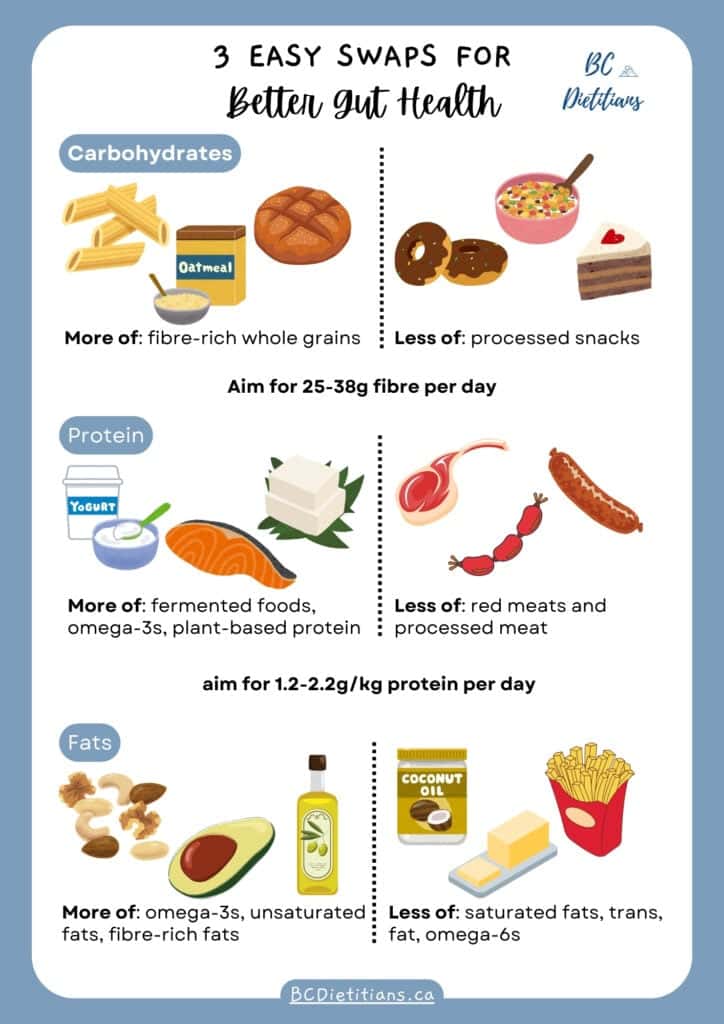
When 70 percent of the immune system resides in the gut, keeping the digestive tract healthy is important. Foods that support a healthy gut and immune system will remain popular in 2026, and these foods include prebiotics, probiotics and fibre-maxxing as we have mentioned earlier in this article.
- Fibre is a type of carbohydrate, and its roles in the body include fueling beneficial gut bacteria, supporting digestion, and maintaining the gut barrier integrity. Fiber improves gut health as it feeds the good bacteria that are in your gut (gut microbiome).
- Prebiotics are dietary fibres from whole grains, onions, garlic, bananas, tomatoes and legumes; these are foods for probiotics.
- Probiotics are live and active bacteria that bring health benefits, such as improved immunity and digestion.
Under Canadian food regulations, a product is considered a probiotic food when the food has proven to contain adequate amounts of the live strains of the bacteria to suggest a health benefit.
Well-known probiotics foods, such as yogurt and kimchi, were ranked as some of the most popular super foods in 2025, showcasing the popularity of gut health-boosting foods. Both probiotic and fibre-based supplements are gaining popularity.
To find out if the product is a true probiotic product, always read the packaging and look for the term ‘probiotic’ and the amount and types of active live strains of bacteria present.
Our gut health dietitians can help you optimize your gut health and support your immune system.
Conclusion
As we look toward the future of food and nutrition in 2026, it’s clear that trends are becoming more interconnected – focusing not only on personal health but also on sustainability and global impact.
From women’s health and mental wellness to protein and fibre innovations, it’s essential to stay informed and make choices that align with both our well-being and the environment.
With expert guidance and a commitment to balanced, sustainable eating, we can all contribute to a healthier, more sustainable future.
Connect with a BC dietitian nutritionist for your personalized nutrition plan today!
Blog Contributors:
Amy Chow, Registered Dietitian
Novella Lui, Registered Dietitian
Kiara Gaspari, Registered Dietitian
Eileen Huang, BSc. Food, Nutrition, and Health







Add a comment